The home of everything related to Twin Navion and Camair aircraft
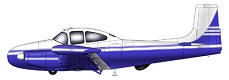
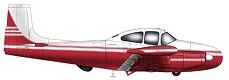
Download a three-view drawing of D-16A Twin Navion. Click here.
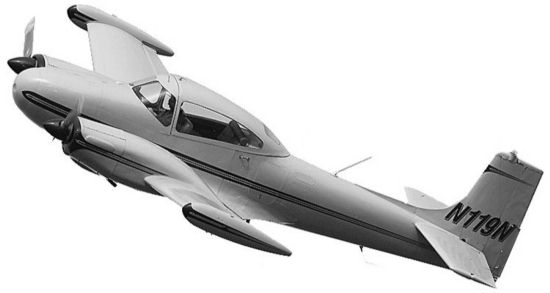
The D-16A was a continued development of the D-16, introduced two years prior. With important items such as constant speed,
fully feathering propellers now developed, the goal was set for the D-16A, or Riley '55 to meet the performance
numbers originally quoted for its older brother.
Lycoming was asked to develop a higher horsepower engine, resulting in the 170hp O-340-A1A. Fuel tanks were increased from
two to five, which removed the under seat fuel tank and improved safety. Access to the rear cargo compartment was now made
through a separate door on the rear left hand fuselage - a major improvement over other Navion models. The cockpit was
equipped with the latest in avionics, heavily padded leather seats and plush appointments. Externally all D-16As left
TEMCO's Greenville Texas plant with a standard paint scheme - a first for any Twin Navion.
As new designs from Cessna, Piper and Beech arrived on the market, sales of the Twin Navion panned out, production ceased in
1957 at serial number TTN-90.
Several D-16s in both the TN and TTN serial number ranges returned to TEMCO, before and after production ceased, for
upgrades to D-16A standard.
180 lbs (rear)
(40 US-gallon tip tanks optional)