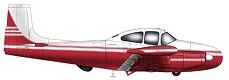
The home of everything related to Twin Navion and Camair aircraft
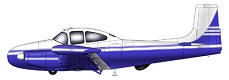
Read about Jack Riley and discover that he wasn't just the father of the post-war light twin, but a millionaire and successful salesman.
Click here to read.
TEMCO started in 1945 and grew into a major maintenance provider for the US military. Although merged with other companies, they exist today.
Click here to read.

Photo courtesy of unknown
TEMCO's Chief Engineer Dan Hearn provides us with a glimpse into the work required to create for TEMCO to create the D-16A.
Click here to read.
Read how in 1947 a small Canadian flying school imported the country's first NAvion and set off one family's life-long relationship with the Navion.
Click here to read.

Photo courtesy of Ken McTavish
Read about Ken McTavish's experience getting struck by lightning. Click here to read.
Navions are known for their off-field performance but only one company is known to have used Twin Navions as bush planes. Read about Ram Air Charter and how they used the
Twin Navion in Canada's remote Arctic. Click here to read.
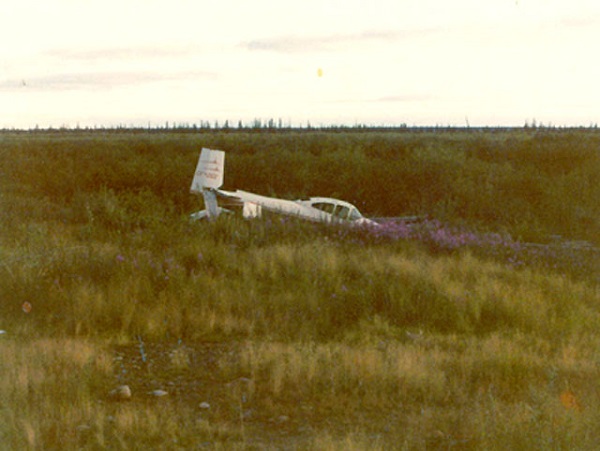
Photo courtesy of Ken McTavish
An airline captain with over 27,000 hours, Barry Schiff is also an instructor and author of several training books. Read about his experiences earning his multi-engine rating
on a D-16A back in the mid-1950s. Click here to read.
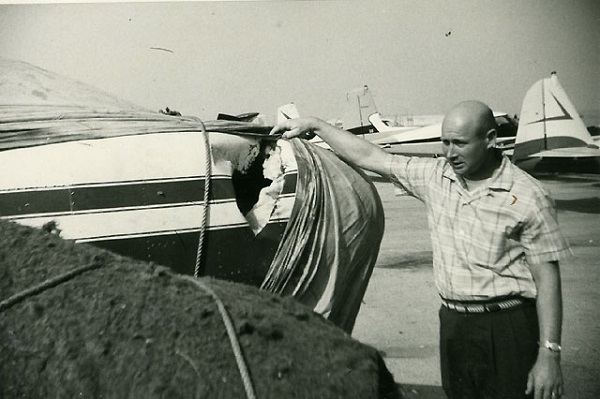
Photo courtesy of Barry Schiff
In the Alaskan wilderness one handyman customized his Navion with a variety of unique modifications. Discover how his Navion would become a one-of-a-kind twin, the only Navion
powered by a radial engine, and the only one equipped with both a car door and sliding canopy. Click here to read.
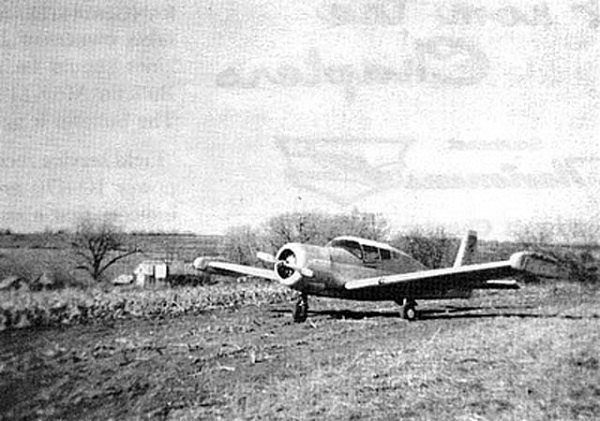
Photo courtesy of American Navion Society, December 1976 newsletter
TwinNavion.com meets with a retired Boeing aeronautical engineer, who has spent years improving the aerodynamics of his own D-16.
Click here to read.
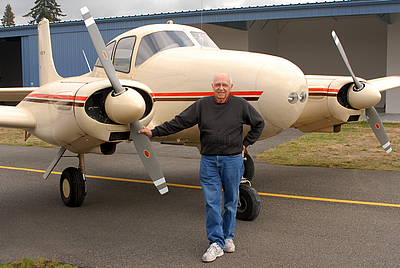
Photo courtesy of Trevor McTavish
Once again, TwinNavion.com turns a business trip into a search for our favorite planes. This time we meet Gay Hamilton and take to the skies over Los Angeles.
Click here to read.
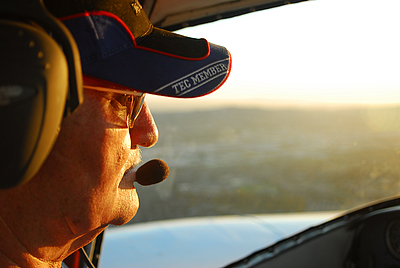
Photo courtesy of Trevor McTavish
Ruy Toledo recalls his father's Camair 480C - the first Camair in Brazil. Click here to read.
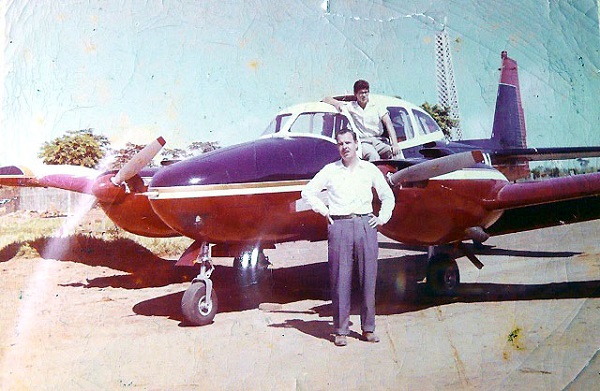
Photo courtesy of Ruy de Toledo
Imagine flying from Florida to Brazil in your brand-new airplane. That's exactly what N228's new owner did. He sent us lots of pictures, and a great story.
Click here to read.

Camair N228 sits in Florida before leaving for its new home in Brazil.
Photo courtesy of Wesley Minuano via Airliners.net
Stan Martin shares with us, a collection of photos of TEMCO's Greenville, Texas factory from the archive at L-3 Communications.
Click here to read.
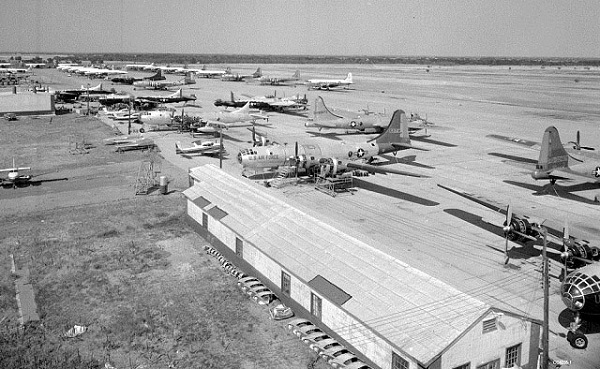
Photo courtesy of L3 Communications via Stan Martin
Thanks to the owner's generosity, Trevor McTavish was able to fly Canada's only Camair.
Click here to read.

Photo courtesy of Trevor McTavish
Tom and Carol De Luca have been supporting Navion owners with new and used parts for 50 years. Desperate to find some unique Twin Navion parts, Trevor McTavish paid Carol a visit
in 2018. Not only did he find his parts. He discovered a treasure-trove of Navion wrecks, and two Twin Navions.
Click here to read.

Photo courtesy of Trevor McTavish