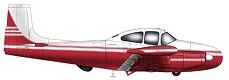
The home of everything related to Twin Navion and Camair aircraft
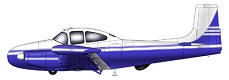
Download a three-view drawing of the Navion B. Click here.
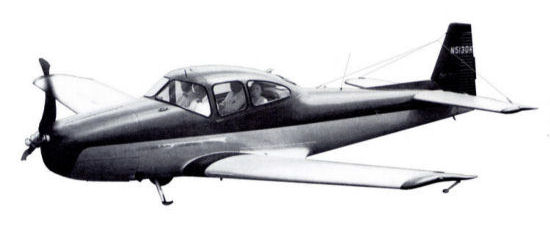
Introduced as the Super 260 in March 1950, the B Model Navion was Ryan's final attempt at boosting the Navion's
desirability, especially the top speed, which continued to lag behind the competition's Beech Bonanza. The original E-185
Continental was replaced by a geared Lycoming of 260hp. The engine's increased length added three inches to the plane's
length. Other changes included a strengthened airframe, a deluxe interior with improved cabin ventilation, updated avionics
and access to the baggage compartment through a door on the left hand fuselage side.
The first year's Super 260s sold for $13,985. It increased to $14,685 the following year.
Despite the boost in performance Navion sales were on the decline. In 1950 Ryan announced production of the Navion A would
give way to the Navion B. Soon Ryan had to admit they were loosing money on every Navion they continued to build, and even
though orders were still being placed, Ryan ceased production in May 1951 at serial number NAV-4-2350B (N5450K).
240 hp at 3,000 rpm (max. continuous)